I was fascinated by Navajo music in Native American cultures. The music is considered holy music that cures sickness such as cancer. The people that sing the songs are called Medicine People. Navajo music is used in rituals that last up to ten days. It is the longest ritual. The ritual restores the balance between good and bad. The ritual itself is a call to god to restore a person's harmony and balance.
Another interesting music in Native American cultures is Haudenosaunee music. Haudenosaunee music is mostly sung in a call-and-response form. What makes the Haudenosaunee music interesting to me is the vocables. It is open-throated and relaxed. The dance of the Haudenosaunee music is mostly stomping. Bells are tied to the dancer's feet so whenever the dancers stomp their feet they are making music.
The most interesting of all in Native American cultures is powwow music. Powwow music is performed by many tribes of Native Americans. Drums are really important in powwow music. Drums are important in Native Americans music. Native Americans would gather around a drum. They would beat it in unison while singing in a high, tense, and loud voice. The dance of powwow music is stomping. The dancers would have bells tied to their feet so whenever they dance they are making music.
Agbekor is singing and drumming which is considered a war dance. The music itself engage in the subject of war. Some songs celebrate the victory of Ewe's war and some are reflections of the grief of death. The instruments used in Agbekor are double bell, a gourd rattle, and four single-headed drums. Agbekor songs are sung in a call-and-response form. Agbekor could be sung at a fast or slow pace.
Lunsi is an interesting drum of African music. The drum is in an hourglass shape with a snare in each of its heads. It has a shoulder strap that holds it in place and a curved, wooden stuck is used to hit it. The leather cords strung between the drumheads are used to change to the tension of the drum. Players can change the tension of the drum by squeezing and releasing the leather cords.
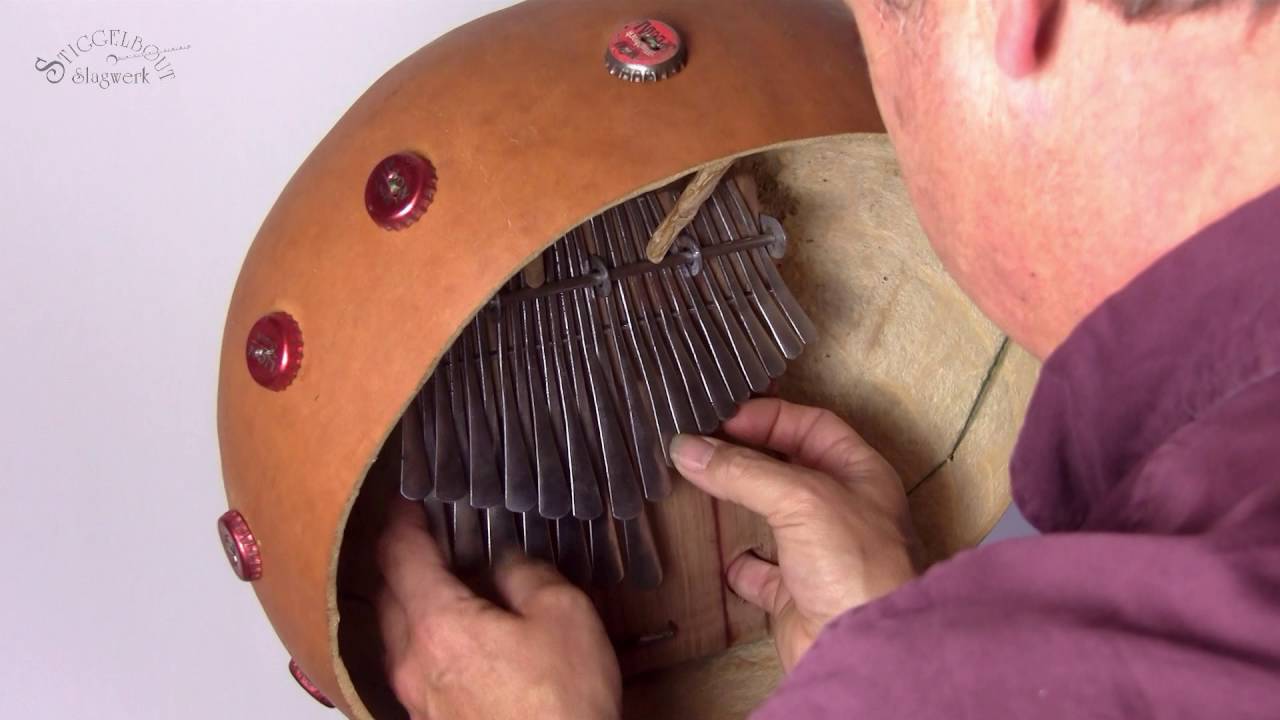
Nhemamusasa is a unique musical instrument. It is known as a thumb piano. It has a wooden board attached with attached staggered metal tines. It is played by holding the instrument in the hands and plucking the tines with the thumbs. Sometimes it would be inside a big gourd. This is often an important instrument played at religious ceremonies or religious gatherings.


I think that music really does have power, so there is no wonder to me about how the Navajo people came to believe that it has healing effects. I also think that it is interesting that even in defeat, the Ewe people still play the drums to grieve.
ReplyDeleteI love all of the music you put in your blog. I love the difference between the Native American Music and the African music. It's kind of sad how one is about healing and the other is about the grief of war. You would think that they would be a little similar considering what happened to the Native Americans as colonists arrived in America...but maybe that just shows the differences in culture.
ReplyDelete-Katie Edge
I agree, there are distinct differences between the African culture and Native American culture. You did a great job of adding in lots of different music and instruments into this blog. I enjoyed learning about the 'cool stuff' you added about Navajo music and how some rituals last many days.
ReplyDeleteThe Navajo culture is so beautiful, I love the connections to nature and self healing. I think music can definitely have healing powers!
ReplyDeleteI enjoyed the video of the Haudenosaunee! I really like music that contains stomping, especially since there are instruments around their ankles and legs. I think stomping adds a neat rhythm and really shows how much a person becomes involved in the music around them!!
ReplyDeleteI didn't even think to compare the two cultures but I like how you pointed out the differences in them and similarities. They are both dances but being used for something so different yet so powerful. Really enjoyed your videos!
ReplyDeleteFor the Native American section I like how you have a video from two different tribes. As for the African section, thank you for putting the singing drum in there. I love that thing!
ReplyDeleteI thought it was brilliant to compare and contrast the two cultures! I also throughly enjoyed the video of the Haudenousaunee. I loved reading about the Navajo culture and the healing song was awesome to add!
ReplyDeleteThis is all interesting, WenTing, and I do appreciate the comparisons you draw between the two cultures. Do be careful of assuming too much, though--yes, there is much in Native American music that concerns their spirituality, and there is much in African music that hearkens back to war, but each culture has musics that venture far beyond those two things. Native American music does also sometimes concern war, and African music often is spiritual--we just didn't have time to cover everything.
ReplyDelete