I was intrigued that the countries of Asia have similar music and instruments. That some of the instruments have a different shape, is play differently, or just sound different. It was interesting to learn that the music of each culture is influenced by the music of other cultures. I always thought that each culture created its own music based on its ideas and ways of life. I was intrigued by the way Arabic pray. Their prayers are sung and in a specific way. The way they sing their prayer is unique. They used a lot of different pitches and the pitch change dramatically. I like the way they sing it. It sounded beautiful.
I realized that my culture is no different than the other cultures in Asia. I always thought that each culture is different, but I realize that there are similarities among them. Chinese music was influenced by Central Asia and Indian music. I find the Chinese opera the be unique. I do not think there is another country that has that kind of opera that china has. Japan has something similar but there is no singing and the music is different. Both Japan and China, however, take it seriously. The costumes and makeup have to be perfect. The actors always do their own makeup and costumes are really important. It takes ten years for the actors to learn the play.
I really like that we learn about different cultures and the fact that we learn the culture's music from the point of view of the people that is part of the culture. I like that we learn all the cultures as a community. I also like that we get to see the way the instrument is used and the way each culture sing. It was interesting that the music of each culture was influenced by neighboring cultures. I enjoy learning about the uniqueness of each culture's music. I wish we could have learned more cultures like Japan, Korea, or Thailand. Overall I enjoy the class.
Overall this course has inspired me to learn more about Asian music. Asia is really big and consists of a lot of countries. The music of each culture is different and similar in many ways. The instruments, however, are really similar. I was surprised that Japan also uses the zither even though I should not be.
Thursday, January 30, 2020

Tuesday, January 28, 2020
Southeastern and Far Eastern Asia
We learned about India, Indonesia, and China that is in Asia in class. Some of the instruments these countries have are similar to each other. I decided to explore farther into the Asian country. The instruments and music of Asian countries are unique.
I find an interesting instrument called chakhe. It is an instrument in Thailand. It is a zither or lute with three strings. It is made out of wood in a crocodile shape. The highest two strings are made out of silk yard or nylon and the lowest string is made out of brass.

One of the things that I like in the musical culture of china is the opera or xiqu. I remember watching it with my grandparents when I was young. There was a theater near our house that has opera every night. We would always go to it. I like the way they combine martial art and dance together. I also like their way of singing and the way they act out the stories. I was amazed by it the first time I watch it. I was also amazed by how there are characters can change their face. I think I figure out how it is done. Overall I really like the style of Chinese opera.
 Gamelan is the traditional ensemble of music in Indonesia. It is made up of mostly percussion instruments. The instruments that make the music are gong, kempul, kenong, bonang, saron, gender, rebab, suling, and Kendang barrel drum. It is interesting to see the people playing in harmony with each other especially with so many different instruments. The kenong and bonang are played by multiple people at the same time.

Morin khuur is one of the most important instruments in Mongolian and is considered a symbol of the Mongolian symbol. It is a bowstring instrument that is made out of wood. It has a trapeziform wood frame with two strings. The strings are made out of nylon or horsetails.
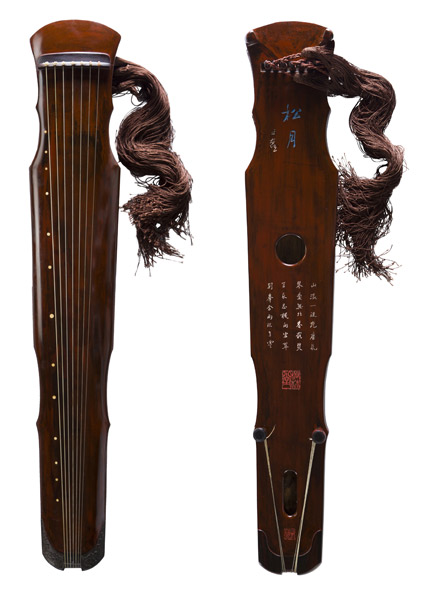
Guqin is an instrument of Taiwan. Taiwan is a part of China and guqin is also an instrument of China. It was called qin in the earlier time, which is the name I know it by but it is now called Guqin. Guqin is a zither that has seven strings attach across a wooden base. The strings are plucked the create music. The tuning peg is usually to the side of the peg but the modern one has it in the middle. The instruments were played even since ancient times.
I find an interesting instrument called chakhe. It is an instrument in Thailand. It is a zither or lute with three strings. It is made out of wood in a crocodile shape. The highest two strings are made out of silk yard or nylon and the lowest string is made out of brass.
One of the things that I like in the musical culture of china is the opera or xiqu. I remember watching it with my grandparents when I was young. There was a theater near our house that has opera every night. We would always go to it. I like the way they combine martial art and dance together. I also like their way of singing and the way they act out the stories. I was amazed by it the first time I watch it. I was also amazed by how there are characters can change their face. I think I figure out how it is done. Overall I really like the style of Chinese opera.
Gamelan is the traditional ensemble of music in Indonesia. It is made up of mostly percussion instruments. The instruments that make the music are gong, kempul, kenong, bonang, saron, gender, rebab, suling, and Kendang barrel drum. It is interesting to see the people playing in harmony with each other especially with so many different instruments. The kenong and bonang are played by multiple people at the same time.Morin khuur is one of the most important instruments in Mongolian and is considered a symbol of the Mongolian symbol. It is a bowstring instrument that is made out of wood. It has a trapeziform wood frame with two strings. The strings are made out of nylon or horsetails.
Guqin is an instrument of Taiwan. Taiwan is a part of China and guqin is also an instrument of China. It was called qin in the earlier time, which is the name I know it by but it is now called Guqin. Guqin is a zither that has seven strings attach across a wooden base. The strings are plucked the create music. The tuning peg is usually to the side of the peg but the modern one has it in the middle. The instruments were played even since ancient times.
Monday, January 27, 2020
Music and Family
I did a music interview with one of my friend that is a mother figure to me (I think of her as a mother). I know that the interview is supposed to be with a family member, but all of my families are either always working or live on the other side of the world (China) where the time is different and it is difficult to contact them at a right time. I also do not want to go through the trouble of translating back and forth since they do not know english (it is really difficult and I do not think I can do it). We also are not close and do not really talk.
Me: What sort of music-culture did you grow up in?
M: I grew up with all different types of music due to how many different people I was around.
Me: Where did you grow up? Did it have any influence on the kind of music you listen to?
M: I grew up in Laurens SC. I feel like growing up in the south caused me to listen to more country music but teachers and friends opened doors to other types of music that I never knew existed.
Me: What kind of music did you listen to growing up?
M: Literally everything except oprah- never had a taste for it.
Me: What were some of the more popular music styles when you were growing up? Did you listen to what was popular, or did you listen to stuff further off the beaten track?
M: Growing up I listened mainly to what my mom played- country, my teacher- so many that I can’t even remember all of them, and my friends- mainly hispanic.
Me: How did you parents influence your musical choices and experiences.
M: My mom influenced my music due to that being the only access to music I really had growing up.
Me: Did you listen to the same kind of music your parents did?
M: I did, but only for a while. When I reached around 14 I started developing my own taste in music, even though it was heavily influenced by friends.
Me: Where did you listen to music? When did you listen to music?
M: I mainly listened to music in the car, at school, or with my grandparents while they played the jukebox.
Me: What kind or genre of music do you like?
M: I love all music, as it all has its own beauty.
Me: What was your favorite song as a kid? As a teen? In your college/early adult years? Now?
M: My favorite song as a kid, and still is When the Red Red Robin Comes Bob Bob Bobbin Along. This song came out in 1926. It has been my favorite song throughout my life and will continue to be.
Me: How has your relationship to music changed over the course of your life?
M: Music has only become more and more important to me as it is one of the ways I am able to express myself.
Me: Do you still listen to the same kind of music you listened to growing up?
M: I listen to a lot of what I listened to back when I was young. Now there are different types of music that we didn’t have back then, and I try to give a listen to everything.
Me: What do you listen to now? Did it change? Why?
M: I listen to a mix of everything, just like I used to. The only thing that has changed is that I listen to more now with more styles of music coming out.
Me: What are/were some of your favorite artists?
M: Bing Crosby and Patsy Cline and Dolly Parton
Me: Have you been to live performances or concerts? What was that like?
M: I was never able to go to a live performance before, but I would still love to go.
Me: What does music mean to you?
M: Music to me means freedom of expression.
Me: What sort of music-culture did you grow up in?
M: I grew up with all different types of music due to how many different people I was around.
Me: Where did you grow up? Did it have any influence on the kind of music you listen to?
M: I grew up in Laurens SC. I feel like growing up in the south caused me to listen to more country music but teachers and friends opened doors to other types of music that I never knew existed.
Me: What kind of music did you listen to growing up?
M: Literally everything except oprah- never had a taste for it.
Me: What were some of the more popular music styles when you were growing up? Did you listen to what was popular, or did you listen to stuff further off the beaten track?
M: Growing up I listened mainly to what my mom played- country, my teacher- so many that I can’t even remember all of them, and my friends- mainly hispanic.
Me: How did you parents influence your musical choices and experiences.
M: My mom influenced my music due to that being the only access to music I really had growing up.
Me: Did you listen to the same kind of music your parents did?
M: I did, but only for a while. When I reached around 14 I started developing my own taste in music, even though it was heavily influenced by friends.
Me: Where did you listen to music? When did you listen to music?
M: I mainly listened to music in the car, at school, or with my grandparents while they played the jukebox.
Me: What kind or genre of music do you like?
M: I love all music, as it all has its own beauty.
Me: What was your favorite song as a kid? As a teen? In your college/early adult years? Now?
M: My favorite song as a kid, and still is When the Red Red Robin Comes Bob Bob Bobbin Along. This song came out in 1926. It has been my favorite song throughout my life and will continue to be.
Me: How has your relationship to music changed over the course of your life?
M: Music has only become more and more important to me as it is one of the ways I am able to express myself.
Me: Do you still listen to the same kind of music you listened to growing up?
M: I listen to a lot of what I listened to back when I was young. Now there are different types of music that we didn’t have back then, and I try to give a listen to everything.
Me: What do you listen to now? Did it change? Why?
M: I listen to a mix of everything, just like I used to. The only thing that has changed is that I listen to more now with more styles of music coming out.
Me: What are/were some of your favorite artists?
M: Bing Crosby and Patsy Cline and Dolly Parton
Me: Have you been to live performances or concerts? What was that like?
M: I was never able to go to a live performance before, but I would still love to go.
Me: What does music mean to you?
M: Music to me means freedom of expression.
Saturday, January 25, 2020
Arabic and Indian Cultures
We learn a lot of cool stuff about Arab and India. It is interesting to learn that the two cultures are hugely different and similar at the same time. I was amazed that the two cultures are influenced by each other.
One of the things I find interesting about the Arab musical culture is that Arab prayer is sung not chanted like the other Asian cultures. The way it was sung is beautiful and unique. I was amazed that there is a competition for singing the prayer. I would not have been able to hear the differences between the singers singing. Their prayer is really important and it has to be sung a certain way. I wonder if the parents themselves personality teach their children that prayer and the way to sing it.
Another thing that I find interesting is the oud. The way it is shaped fascinates me. I was surprised that the top of the oud is bent back. That is what makes it unique. The oud has a hollow body and a rounded back. The oud has fifteen strings. I would if a guitar has as many strings as the oud.

I find the konnakol of the Indian musical culture interesting. I always thought that to learn to play the drum one has to practice on the drum. In India, people have to learn the konnakol before they can learn to play on the drum or even played the drum at all. Konnakol is the spoken language of the drum. One has to know how the vocally recites the beat that they are supposed to play on the drum before playing it. I was surprised that they have a language for the drum beats. They have a word for different beats.
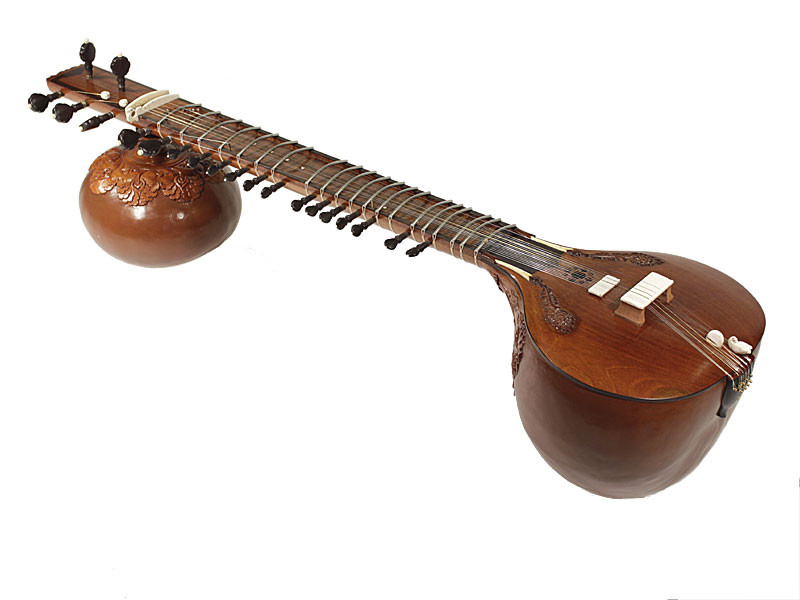
I find the sitar interesting. It has a lot of stick on the side of it for tuning. It looks complicated to tune it especially since there is a lot of sticks involved. I wonder how the artist knows how to tune it. Each stick is a different pitch and there is a lot of string in the instrument too. The oud sounds a lot like to oud to me.
Overall it was interesting to learn the music of Arab and India. I was surprised to learn that Indian music was influenced by Arab music. Some of the Indian instruments look similar to Arab instruments and the sound the instruments makes similar sound too. I do not know if it is true this is just what I see and hear.
One of the things I find interesting about the Arab musical culture is that Arab prayer is sung not chanted like the other Asian cultures. The way it was sung is beautiful and unique. I was amazed that there is a competition for singing the prayer. I would not have been able to hear the differences between the singers singing. Their prayer is really important and it has to be sung a certain way. I wonder if the parents themselves personality teach their children that prayer and the way to sing it.
Another thing that I find interesting is the oud. The way it is shaped fascinates me. I was surprised that the top of the oud is bent back. That is what makes it unique. The oud has a hollow body and a rounded back. The oud has fifteen strings. I would if a guitar has as many strings as the oud.
I find the konnakol of the Indian musical culture interesting. I always thought that to learn to play the drum one has to practice on the drum. In India, people have to learn the konnakol before they can learn to play on the drum or even played the drum at all. Konnakol is the spoken language of the drum. One has to know how the vocally recites the beat that they are supposed to play on the drum before playing it. I was surprised that they have a language for the drum beats. They have a word for different beats.
I find the sitar interesting. It has a lot of stick on the side of it for tuning. It looks complicated to tune it especially since there is a lot of sticks involved. I wonder how the artist knows how to tune it. Each stick is a different pitch and there is a lot of string in the instrument too. The oud sounds a lot like to oud to me.
Overall it was interesting to learn the music of Arab and India. I was surprised to learn that Indian music was influenced by Arab music. Some of the Indian instruments look similar to Arab instruments and the sound the instruments makes similar sound too. I do not know if it is true this is just what I see and hear.
Saturday, January 18, 2020
Black America & South America
The music in Black America and South America are different. Black American music was created to deal with the hardship of working and South American music is about romance.
I find it interesting that the blues are everywhere and in every genre of music. The blues are Black American music created by African Americans to ease the hardship of working. It is kind of like sad music. It is a spiritual and work song. Later on, women dominated the blues. Women became famous because of the blues. Some women ran away from home to join the blues. Dances were later added to the blues. The blues became famous during that and the whites even play it.
One of the amazing things in South America is salsa. The salsa is a Latin American dance. It is a fast-paced dance that requires both partners to synchronize with one another. In salsa, the dancers shift their weight by stepping. The upper body remains level and the hips move along with the arm and shoulder. The guy is always the one that leads.
I feel like the most important music of South America is the Nueva Canción. It is a social movement and musical genre characterized by folk-inspired styles and socially committed lyrics. It was considered a war song. It reflects the struggles that Latin Americans suffer during the war. Each country of the Latin Americans has its versions of Nueva Canción.
 I find the panpipes of South American music interesting. The panpipes of made of bamboo. Each bamboo is a different length. The bamboo is tied together in a straight line. There could be one line of bamboo or multiple lines to add pitches to it. It can be in various sizes. It can be big or small.

Another interesting instrument of South American music is the bombo legüero. It is a drum made of a hollowed tree trunk and covered with animal skin. It is now made of plastic It is called bombo legüero to differentiate it from similar large drums. It is considered a war drum. The bombo legüero is hung on to the drummer's side while the drummer hits the drumhead with a soft-headed mallet. The bombo serves as a combination of bass and percussion.

An instrument of South America that I find particularly interesting is the reco-reco. It is a scraper used as a percussion instrument. The reco-reco is made of bamboo or wood played with a wooden stick. The instrument is used in samba. The reco-reco is now made of a metallic cylinder with springs attached and is played with a metal stick. The most recent one is made out of fiberglass.
I find it interesting that the blues are everywhere and in every genre of music. The blues are Black American music created by African Americans to ease the hardship of working. It is kind of like sad music. It is a spiritual and work song. Later on, women dominated the blues. Women became famous because of the blues. Some women ran away from home to join the blues. Dances were later added to the blues. The blues became famous during that and the whites even play it.
One of the amazing things in South America is salsa. The salsa is a Latin American dance. It is a fast-paced dance that requires both partners to synchronize with one another. In salsa, the dancers shift their weight by stepping. The upper body remains level and the hips move along with the arm and shoulder. The guy is always the one that leads.
I feel like the most important music of South America is the Nueva Canción. It is a social movement and musical genre characterized by folk-inspired styles and socially committed lyrics. It was considered a war song. It reflects the struggles that Latin Americans suffer during the war. Each country of the Latin Americans has its versions of Nueva Canción.
I find the panpipes of South American music interesting. The panpipes of made of bamboo. Each bamboo is a different length. The bamboo is tied together in a straight line. There could be one line of bamboo or multiple lines to add pitches to it. It can be in various sizes. It can be big or small.Another interesting instrument of South American music is the bombo legüero. It is a drum made of a hollowed tree trunk and covered with animal skin. It is now made of plastic It is called bombo legüero to differentiate it from similar large drums. It is considered a war drum. The bombo legüero is hung on to the drummer's side while the drummer hits the drumhead with a soft-headed mallet. The bombo serves as a combination of bass and percussion.
An instrument of South America that I find particularly interesting is the reco-reco. It is a scraper used as a percussion instrument. The reco-reco is made of bamboo or wood played with a wooden stick. The instrument is used in samba. The reco-reco is now made of a metallic cylinder with springs attached and is played with a metal stick. The most recent one is made out of fiberglass.
Thursday, January 16, 2020
Music and Gender
Growing up I notice that gender plays a big role in music, at least in my culture. In China, music is male-dominated. It was hard for women to go into the music industry. Women do not have any rights or privileges. It has gotten better now but women still have to fight to get into the music industry. There are more women in the music industry now but it is still male-dominated.
I remember when I was little I used to watch a lot of movies. The majority of the movies' setting is in ancient times like the dynasties. The music was beautiful, melodious, harmonious, and calming. The females would dance and the males would play the instruments.
Chinese music now is more upbeat. My parents are always up to date on the most recently popular songs. I notice that all the popular songs are sung and written by males. Songs that were written by females never get popular, at least as popular as the males' songs.
I feel that the marching band in my high school is also gender-based. The girls play the clarinet and piccolo while the boys play the saxophone, french horn, drum, cabinet, tuba, and trombone. I do not know if it was intentional or not. The school dance team and the flag team were also all girls.
I was in the chorus during my last year of middle school. The teacher would divide the class into sopranos and altos. The altos were mostly boys and the sopranos were mostly girls. I do not know if this is because the girls' voices are higher pitch and the boys' voices are lower pitch or if it was unintentional. He would put the sopranos on the right side of the room and the altos on the left side of the room. I do not know the purpose of that. I did not like the class because of the teacher but it was a good experience.
Overall, I have my fair share of gender-based music. I feel that music is male-dominated and I hope that more females go into the music industry in the future. Music should not be gender-based or gender stereotypic. Men and women should feel comfortable playing any instruments they want and should not be told what is muscular and what is feminine. Music would be better if it has an equal amount of both genders playing and that there are no restrictions based on gender.
I remember when I was little I used to watch a lot of movies. The majority of the movies' setting is in ancient times like the dynasties. The music was beautiful, melodious, harmonious, and calming. The females would dance and the males would play the instruments.
Chinese music now is more upbeat. My parents are always up to date on the most recently popular songs. I notice that all the popular songs are sung and written by males. Songs that were written by females never get popular, at least as popular as the males' songs.
I feel that the marching band in my high school is also gender-based. The girls play the clarinet and piccolo while the boys play the saxophone, french horn, drum, cabinet, tuba, and trombone. I do not know if it was intentional or not. The school dance team and the flag team were also all girls.
I was in the chorus during my last year of middle school. The teacher would divide the class into sopranos and altos. The altos were mostly boys and the sopranos were mostly girls. I do not know if this is because the girls' voices are higher pitch and the boys' voices are lower pitch or if it was unintentional. He would put the sopranos on the right side of the room and the altos on the left side of the room. I do not know the purpose of that. I did not like the class because of the teacher but it was a good experience.
Overall, I have my fair share of gender-based music. I feel that music is male-dominated and I hope that more females go into the music industry in the future. Music should not be gender-based or gender stereotypic. Men and women should feel comfortable playing any instruments they want and should not be told what is muscular and what is feminine. Music would be better if it has an equal amount of both genders playing and that there are no restrictions based on gender.
Sunday, January 12, 2020
Native American and African Music-Cultures
We learn a lot of cool stuff in class about Native American and African cultures. It is fascinating how much of a difference there is between the two cultures. While Native American music is about god, African music is about war.
I was fascinated by Navajo music in Native American cultures. The music is considered holy music that cures sickness such as cancer. The people that sing the songs are called Medicine People. Navajo music is used in rituals that last up to ten days. It is the longest ritual. The ritual restores the balance between good and bad. The ritual itself is a call to god to restore a person's harmony and balance.
Another interesting music in Native American cultures is Haudenosaunee music. Haudenosaunee music is mostly sung in a call-and-response form. What makes the Haudenosaunee music interesting to me is the vocables. It is open-throated and relaxed. The dance of the Haudenosaunee music is mostly stomping. Bells are tied to the dancer's feet so whenever the dancers stomp their feet they are making music.
The most interesting of all in Native American cultures is powwow music. Powwow music is performed by many tribes of Native Americans. Drums are really important in powwow music. Drums are important in Native Americans music. Native Americans would gather around a drum. They would beat it in unison while singing in a high, tense, and loud voice. The dance of powwow music is stomping. The dancers would have bells tied to their feet so whenever they dance they are making music.
Agbekor is singing and drumming which is considered a war dance. The music itself engage in the subject of war. Some songs celebrate the victory of Ewe's war and some are reflections of the grief of death. The instruments used in Agbekor are double bell, a gourd rattle, and four single-headed drums. Agbekor songs are sung in a call-and-response form. Agbekor could be sung at a fast or slow pace.
Lunsi is an interesting drum of African music. The drum is in an hourglass shape with a snare in each of its heads. It has a shoulder strap that holds it in place and a curved, wooden stuck is used to hit it. The leather cords strung between the drumheads are used to change to the tension of the drum. Players can change the tension of the drum by squeezing and releasing the leather cords.

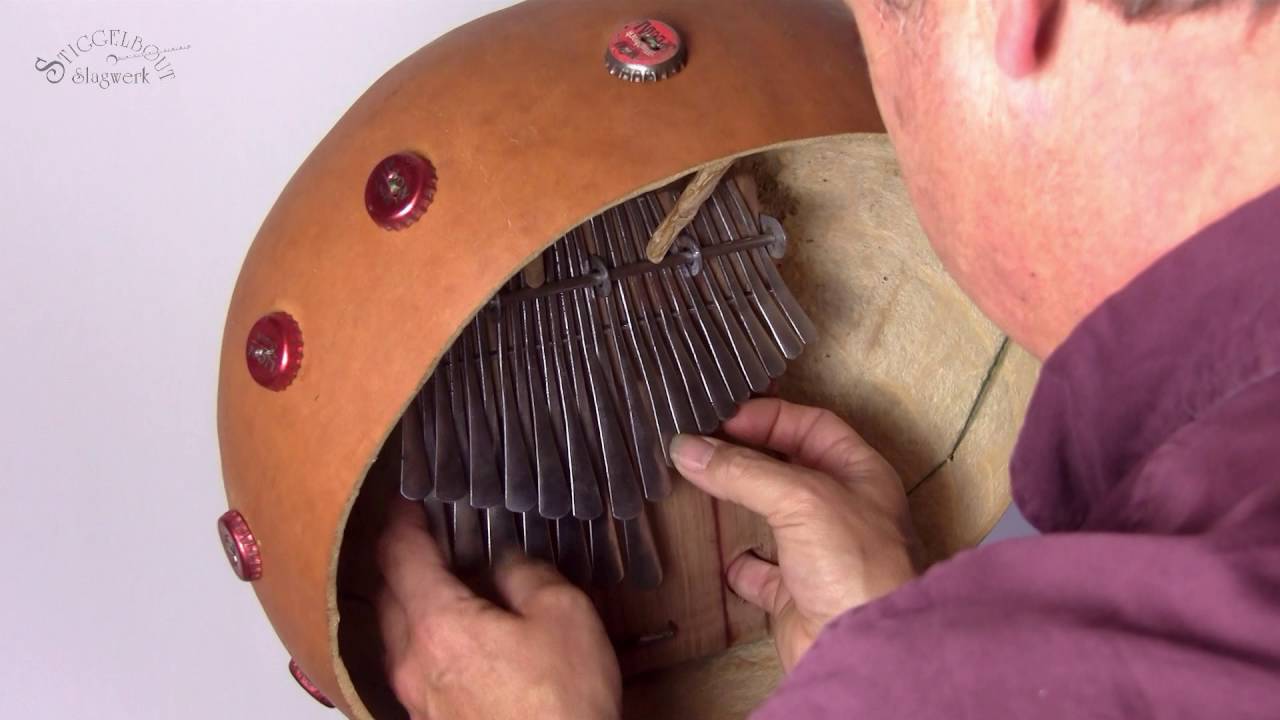
Nhemamusasa is a unique musical instrument. It is known as a thumb piano. It has a wooden board attached with attached staggered metal tines. It is played by holding the instrument in the hands and plucking the tines with the thumbs. Sometimes it would be inside a big gourd. This is often an important instrument played at religious ceremonies or religious gatherings.

I was fascinated by Navajo music in Native American cultures. The music is considered holy music that cures sickness such as cancer. The people that sing the songs are called Medicine People. Navajo music is used in rituals that last up to ten days. It is the longest ritual. The ritual restores the balance between good and bad. The ritual itself is a call to god to restore a person's harmony and balance.
Another interesting music in Native American cultures is Haudenosaunee music. Haudenosaunee music is mostly sung in a call-and-response form. What makes the Haudenosaunee music interesting to me is the vocables. It is open-throated and relaxed. The dance of the Haudenosaunee music is mostly stomping. Bells are tied to the dancer's feet so whenever the dancers stomp their feet they are making music.
The most interesting of all in Native American cultures is powwow music. Powwow music is performed by many tribes of Native Americans. Drums are really important in powwow music. Drums are important in Native Americans music. Native Americans would gather around a drum. They would beat it in unison while singing in a high, tense, and loud voice. The dance of powwow music is stomping. The dancers would have bells tied to their feet so whenever they dance they are making music.
Agbekor is singing and drumming which is considered a war dance. The music itself engage in the subject of war. Some songs celebrate the victory of Ewe's war and some are reflections of the grief of death. The instruments used in Agbekor are double bell, a gourd rattle, and four single-headed drums. Agbekor songs are sung in a call-and-response form. Agbekor could be sung at a fast or slow pace.
Lunsi is an interesting drum of African music. The drum is in an hourglass shape with a snare in each of its heads. It has a shoulder strap that holds it in place and a curved, wooden stuck is used to hit it. The leather cords strung between the drumheads are used to change to the tension of the drum. Players can change the tension of the drum by squeezing and releasing the leather cords.
Nhemamusasa is a unique musical instrument. It is known as a thumb piano. It has a wooden board attached with attached staggered metal tines. It is played by holding the instrument in the hands and plucking the tines with the thumbs. Sometimes it would be inside a big gourd. This is often an important instrument played at religious ceremonies or religious gatherings.
Subscribe to:
Posts (Atom)